
Are Tomatoes Good for You? The Science Behind Their Health Benefits
Key Takeaway
Tomatoes are highly nutritious, offering lycopene, vitamin C, potassium, fiber, and water that support heart health, immunity, hydration, and skin strength. Lycopene acts as a strong antioxidant that helps lower cancer and heart risks, especially when tomatoes are cooked with olive oil. For maximum benefit, eat both raw and cooked varieties, choose deep red or purple tomatoes, and limit added salt. Regular tomato intake promotes long-term wellness and steady energy.
Tomatoes are good for health in everyday meals. But do you know why exactly they make you remain strong?
Tomatoes contain lycopene, vitamin C, potassium and fiber as supplements. These vitamins will maintain your body, heart, and immunity, your eyesight, and skin.
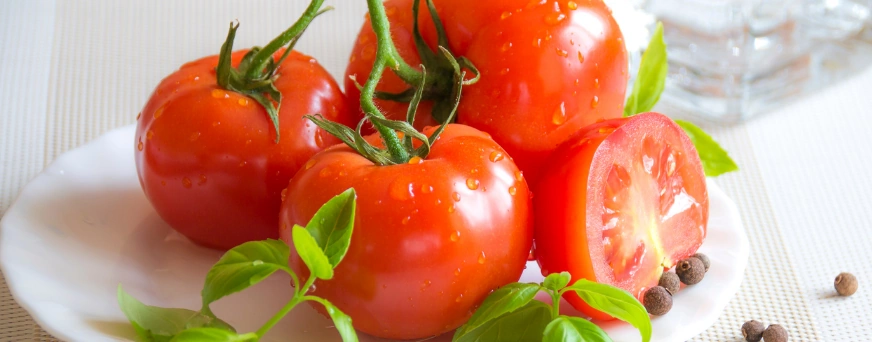
Tomatoes come in many colors and sizes at local US markets. Deep red and purple types deliver the most antioxidant punch.
To know more about why tomatoes are good for you, and how they contribute to good health, check out this article.
Are Tomatoes Really Good or Bad?
Yes. Tomatoes provide you with much nutrition at minimal calories. One bite of them provides lycopene, vitamin C, potassium, and fiber. You also get water for hydration and simple plant sugars for energy. The mix supports heart health and immune strength.
It’s an easy addition to breakfasts, salads, soups, and simple dinners. In the U.S., you find them fresh, canned, diced, or sauced in any store. It is the way that you can utilize them throughout the year with no stress or fuss.
What are the Proven scientific properties of tomatoes that make them beneficial to health?
We already know that tomatoes are very high in lycopene, vitamin C, potassium, fiber and water. But what are their effects on our health? Below, we’ve discussed how the nutrients in tomatoes support the human body using a science-backed approach.
Lycopene Antioxidant Activity Helps Fight Against Cancer
Lycopene gives tomatoes their deep red color and strong antioxidant punch. This pigment helps fight oxidative stress that can harm your cells.
Lower stress means less damage piling up in tissues over time. That is one reason why lycopene is associated with reduced cancer risk. The relationship is most common with prostate, lung, and stomach cancer
When tomatoes are cooked using a little oil you will absorb more lycopene. Top pasta with whole-grain pasta or roast tomatoes in olive oil. Heat breaks the cells and helps your body take up more lycopene. Canned and jarred sauces also count here and fit real American weeknights.
Large Content of Water Provides sufficient hydration
Tomatoes contain approximately 95 percent water; therefore, every bite hydrates. That water supports blood volume, steady circulation, and easier temperature control.
Water also aids digestion since it moves fiber and softens the stool. It is a helper for your kidneys, reducing the risk of stones and getting rid of impurities in a gentle way.
Cherry tomatoes can be eaten as a snack while you can also have a warm cup of tomato soup. There is also the option of no-salt-added cans to stay hydrated without increasing your blood pressure.
Add grape tomatoes to snack plates beside nuts and crackers. You’ll hit fluid goals without relying only on large water bottles.
Vitamin C–Rich for Enhanced Immune Support
Tomatoes are a source of vitamin C, 25 milligrams per cup. It helps in maintaining white blood cells and maintains the strength of the barrier of your skin by synthesizing collagen. In addition to it, vitamin C aids iron absorption in vegetable sources such as beans, spinach, and iron-enriched cereals.
A single serving of tomatoes provides an excellent amount of vitamin C for the day. It will make you feel less down when you are sick with a cold.
A bunch of fresh and juicy cherry tomatoes are an amazing treatment for your immune system. Prepare a fresh salsa or a good sauce; the immune system will still get the support it needs in any case.
Potassium to Control Heart and Blood Pressure
Potassium is the one that would contribute to maintaining the sodium in your body so that blood vessels would relax and blood pressure would decrease.
So, if you are looking for a good source of potassium that would not only be healthy but also delicious and low in calories, then tomatoes are what you need. You get natural potassium from tomatoes, about 290 milligrams per medium.
This helps your heart work with a steady rhythm and good squeeze. So, build simple meals with tomatoes for heart-smart, everyday plates.
However, in case of hypertension, it is better to go for no-salt-added canned tomatoes. In addition to the salt, you get the whole taste, color and vitamins. Potassium is the one that enables the muscles to contract thus making walking every day easier.
Tips to Consume Tomatoes to Maximize Health Benefits
Tomatoes can be included in your four meals plus snacks without causing any problems.The trick is to take the uncooked and cooked versions as alternatives during the week.
A single raw tomato will provide your dish with a crunch, some hydration and a fresh, green flavor. In the meantime, cooked tomato will not only make the sauce tastier, but will also assist the body in assimilating more lycopene.
Add some healthy fat such as olive oil to facilitate absorption. In addition, choose tomatoes of a deep color as it has more phytochemicals and flavor. Ripe red and purple ones tend to be the richest in terms of antioxidant profile.
● Cooked: To increase the absorption of lycopene, tomatoes should be simmered in olive oil with a drizzle of oil added.
● Replacement canned: Replace canned tomatoes with diced, crushed or pureed tomatoes with no salt added so that you can prepare quick meals.
● Blend with protein: Tomatoes do not pair with eggs, tuna, chicken, tofu, or beans which are sources of energy that are used gradually.
● Eat more raw and cooked: Replace the salads with soups, sauces and roasted trays to eat various amounts of nutrients.
● Add herbs: no extra salt will be required: Basil, oregano, garlic, and black pepper will give taste to tomatoes.
● Prepare savory sandwiches: To whole-grain bread, add tomato slices in layers with the following toppings: turkey or avocado.
● Select darker colors: Select deep red or deep purple tomatoes as it contains more antioxidants.
● Watch your stomach: When your stomach is troubled by acid, roasted tomatoes or low acid tomatoes should be used.
● Freeze tip: Freeze the remaining tomato paste in cubes to be used later in the freezer in a sauce.
● Label reading: Check canned and jarred products with no salt added or low sodium.
● Into grains: Add tomatoes in brown rice, quinoa, barley, or farro as a source of fiber.
● Check meds: When taking potassium-sparing medication, get your clinician to check on tomato portions.
Conclusion
So, by now you must have got the answer to your question: “are tomatoes good for you.” Well, yes, it is. In fact, tomatoes bring real strength in small, everyday bites. You receive cardiac assistance, immunity insurance, hydration, and fewer complications in the stomach.

 Get Help With The Push Of A Button

















 CALL 1-800-201-1283