

Top Seniors Financial Assistance Programs You May Not Know About
Key Takeaway
Seniors financial assistance programs help reduce costs for housing, prescriptions, and utilities. Emergency Medical Alert enhances safety and independence at home, giving families peace of mind while seniors manage daily living challenges.
Retirement should be a time to relax, but many seniors face financial challenges. Rising costs for housing, healthcare, and daily living often strain fixed incomes.
While Social Security and Medicare are widely known, many other financial assistance programs remain underutilized. Learning about these lesser-known resources can reduce stress, lower expenses, and improve quality of life for older adults.
Importance of Seniors Financial Assistance
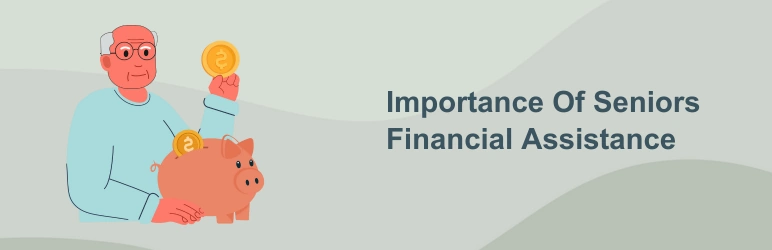
Financial assistance for seniors is more than easing monetary hardship. It helps maintain independence, dignity, and health. Many seniors rely mainly on Social Security or pensions, which often fall short of covering rising costs.
Without support, seniors may have to make difficult choices, such as cutting back on healthy food or postponing essential home repairs. Financial strain can also lead to social isolation, as seniors may skip activities they can no longer afford.
Assistance programs provide relief in key areas such as housing, healthcare, and utilities. Many are funded by federal or state governments, while others are run by nonprofits or local organizations. Together, they create a network that supports seniors’ stability and security.
Best Lesser-Known Seniors Financial Assistance Programs
State Property Tax Deferral and Exemption Programs
Property taxes can be overwhelming for low-income seniors. Many states offer programs to reduce, defer, or waive property taxes.
Tax deferral programs allow eligible seniors to delay payments until they sell their home, relocate, or pass away. Exemption programs permanently reduce taxable property value.
States like Oregon and Massachusetts allow seniors to postpone payments, while Texas and Florida offer exemptions to lower annual bills. Requirements usually include age, residency, and income qualifications. Local county tax offices provide applications and guidance.
State Pharmaceutical Assistance Programs
Prescription drug costs can strain seniors, even with Medicare Part D coverage. State Pharmaceutical Assistance Programs provide additional help with out-of-pocket expenses.
Programs vary by state. Some provide direct financial support, while others work with Medicare Part D to reduce premiums and co-pays. For example, New Jersey’s PAAD program helps eligible seniors cover most prescription costs after a small co-payment.
Utility Assistance Programs for Low-Income Seniors
Energy bills can be high, especially in older, inefficient homes. Programs like the Low Income Home Energy Assistance Program help eligible seniors pay heating and cooling costs.
Many states also run energy assistance programs for seniors. Local utility companies often offer hardship plans that reduce or spread payments.
Local Non-Profit and Community-Based Grants
Local nonprofits and charities often offer fast, flexible financial support for seniors. This can include emergency cash grants, food assistance, transportation help, or housing support.
Community action agencies may cover small home repairs, overdue bills, or provide transportation vouchers. Churches, senior centers, and organizations like Meals on Wheels often have funds or referral programs to help seniors in need.
Veterans Financial Assistance Programs
Veterans and their surviving spouses can access several benefits beyond standard VA pensions.
Aid and Attendance provides monthly payments to those who need help with daily activities such as bathing or dressing. VA grants can make homes accessible, for example, by installing ramps or widening doorways. Programs like Veterans Directed Care give seniors flexibility in managing long-term care budgets.
Other veteran-specific financial aid may include property tax relief, education benefits for dependents, and emergency assistance. Veterans can contact their local VA office or service organizations to explore available programs.
Conclusion
Financial challenges should not prevent seniors from living safely and comfortably. Beyond Social Security and Medicare, lesser-known programs offer significant support. Seniors financial assistance resources including property tax relief, prescription aid, utility programs, and veterans benefits can ease daily strains and improve independence and peace of mind.

 Get Help With The Push Of A Button















 CALL 1-800-201-1283