Simple Diet Plan with Food to Improve Kidney Function and Prevent Damage
Key Takeaway
A kidney-friendly diet focuses on hydration, low sodium, and moderate protein to protect filtering function and prevent damage. Choose water, grilled poultry, fish, white rice, oats, and low-potassium fruits and vegetables like apples, berries, and green beans. Limit processed meats, salty snacks, and high-phosphorus foods. Balanced weekly meals with olive oil, lean proteins, and fresh produce help kidneys work smoothly and reduce long-term strain.
Kidneys play very important roles in ensuring that you live. They sieve garbage, equalize fluids, propel bones, and stabilize blood flow in your body. However, they can be stressed by diabetes, obesity, high blood pressure, or bad habits.
Once it occurs, you need to keep a close eye on every bite and a sip that you take. A kidney-friendly diet makes you active, lessens weight, and delays harm.
It shields working kidneys in order to purify blood on a daily basis on your behalf. Since people are different, this is a simple plan that should be adhered to. These are the foods that contribute to the better working of the kidney as well as prevent the damages of the kidney in future.
What does a Kidney-Friendly Diet consist of?
The foods below are a must-have in a kidney-friendly diet plan.
Hydrating, Low-Sugar Drinks
The most effective fluids for the kidneys are those that are consistent and simple. The drink of choice all day long should be plain water. It can be flavored with lemon, cucumber, or a splash of 100% cranberry juice. Unsweetened iced tea made at home also fits.
Skip sodas, sweet tea, fruit punch, and most sports drinks because they bring sugar and salt your kidneys don’t need. If your doctor gives you a fluid limit, pour that amount into one jug and drink only from it. That helps control swelling and blood pressure.
Kidney-Smart Protein Choices
You need protein, but not giant piles of it. An excess of this overworks your kidneys. So take small palm-sized amounts of chicken breast, turkey, fish or white portions of an egg baked or grilled. These are power boosters and do not require additional phosphorus or bad fat.
Beans and lentils are fine once in a while, just not at every meal, because potassium can creep up. Read labels and avoid meats soaked in broth or “phos” additives. Processed meat such as bacon, hot dogs and deli ham is highly salty and therefore one needs to avoid it unless on rare days.
Low-Sodium Fruits and Vegetables
You still need produce, even with kidney trouble. You should eat lower potassium fruit and vegetables like apples, berries, grapes, cabbage, cauliflower, carrots, lettuce and green beans. They do not clog your blood with vitamins and fiber.
If your potassium or phosphorous levels become very high, you should lessen the amount of bran and whole wheat that you use for a short period of time and then check the levels again.
Switch to better dishes by using olive or canola oil instead of butter or shortening. In addition, ensure that the labels of the deep-fried foods and baked goods that you are consuming do not indicate the presence of phosphate additives.
Heart-Healthy Grains and Fats
The health of the kidney and the heart go hand in hand. Choose white rice, oats, corn tortillas or small bowls of pasta. When your potassium or phosphorus is excessively high then a little less bran and whole-wheat works and keep the figures in check.
Use olive or canola oil instead of butter or shortening to cook with. Check the food labels of deep-fried foods and baked goods to avoid the presence of phosphate additives. The healthy fats also aid in creating smooth blood flow hence the kidneys easily filter it.
Weekly Eating Regime for Good Kidney Health
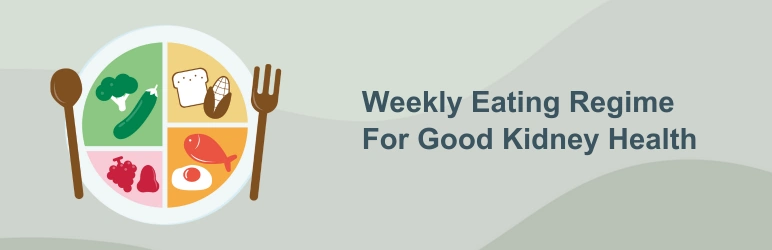
This is a copyable, mixable, rotatable 7-day meal map. Always be careful to make equal portions and fluids to what your kidney doctor or dietitian instructed.
Day 1
Breakfast: Hot oatmeal, prepared using water, fresh blueberries, and a drizzle of honey. Sip on sugar-free herbal tea.
Lunch: Grilled chicken-breast mince on a small white bun, with lettuce and tomato and low-sodium dressing. Add steam green beans and serve.
Snack: Whole slice of apples and low-calorie, small amounts of unsalted peanut butter.
Dinner: Baked salmon, lemon, white rice and cabbage cooked in olive oil. Take water and lemon slices.
Day 2
Breakfast: Scrambled egg whites with spinach and onions in a small portion of olive oil, and one slice of low sodium toast. Drink water or mint tea.
Lunch: Low sodium turkey that is packed into lettuce leaves with shredded carrots and mustard, and a bowl of mixed berries.
Snack: You have permission to take plain Greek yogurt, or unsalted rice cakes.
Dinner: Baked tilapia, rice, steamed carrots, and olive oil and vinegar dressing salad. The dressing ought to be light to handle sodium.
Day 3
Breakfast: Cream of wheat, sliced strawberries, fresh warm water, and cucumber.
Lunch: Homemade low-sodium broth, noodles, carrot and celery soup and a portion of grapes.
Snack: Unsalted crackers to curb the hunger.
Dinner: Meatballs of roasted turkey meat, pasta made of no-salt tomato paste, and steamed zucchini. Add some coleslaw that has been made with light mayonnaise and no salt.
Day 4
Breakfast: Blueberry, low-calorie milk substitute (low-potassium), ice, and smoothie, but ensure it is thin to check on the fluids.
Lunch: Tacos of grilled cod served on corn tortillas topped with shredded cabbage as well as lime. Omit cheese and heavy sour cream. Add a few fresh pineapple pieces in case potassium is all right.
Simple eating: Hummus and carrot sticks.
Dinner: Baked, skinless, chicken thighs, some garlic-mashed cauliflower, and roasted bell peppers cooked in olive oil.
Day 5
Breakfast: Low-sodium cereal and milk substitute, peaches, and water.
Lunch: Bowl of quinoa-and-chicken: use cucumbers, parsley, and olive oil, but make the portion of quinoa very small due to the possibility of having phosphorus to monitor. Add one small apple.
Snack: Air-popped, no salt, and no butter popcorn.
Dinner: Homemade, low-sodium bean turkey chili made of low-sodium beans, tomatoes, spices, and onions, and served with white rice.
Day 6
Breakfast: Omelet made of egg-white and mushrooms with red bell pepper and one corn tortilla. Drink herbal tea.
Lunch: Potato in the oven with low sodium cottage cheese and chives assuming that potassium is permitted and rice. Add salad of cucumber and lettuce.
Snack: Low-salt trail mix, which consists mostly of rice cereal.
Dinner: Lemon-fried trout, broccoli in small pieces which are steamed and pasta with olive oil and herbs.
Day 7
Breakfast: Pancake using low-sodium mixture, and strawberries sliced over them, drizzed with maple syrup. Drink water.
Lunch: Grilled chicken salad with lettuce, slices of apples sprinkled with sunflower seeds, olive oil and vinegar of apple cider.
Snack: Pear slices and almond butter are not an issue.
Dinner: Chicken (slow-cooked) and carrots and onions, and served with white rice, green beans (sauted). Finish the night with a cup of herbal tea that is caffeine-free.
Conclusion
Your kidneys require consistent attention, rather than doing some fast-tracking. By selecting clean water and low-salt food as well as light protein, you are making them work effortlessly. Begin with this simple meal plan. Eat it, count your calories, and discuss it with your doctor.

 Get Help With The Push Of A Button
















 CALL 1-800-201-1283