

Understanding Triggers Behind Dementia Behaviors and Managing Them Effectively
Key Takeaway
Dementia behaviors often stem from environmental noise, pain, confusion, or emotional stress rather than stubbornness. Managing them means simplifying routines, reducing overstimulation, and communicating clearly with calm, short phrases. Regular meals, hydration, rest, and gentle, purposeful activities like music or simple chores help ease agitation. Recognizing triggers early allows caregivers to prevent outbursts and create a steady, reassuring environment for seniors living with dementia.
Do you know that more than 7 million people in the United States live with dementia? In fact, you’ll see it more now because people live longer and carry illnesses more often.
While aging, high blood pressure, diabetes, and long-term stress harm tiny brain vessels. These changes block signals, upset nerves, and make thoughts move slowly. This is when your loved seniors experience dementia, manifesting in the form of sudden anger, fear, or wandering about.
But if you know the triggers of such dementia behaviors, you can spot the trouble very early and manage it well. So, today in this article, we will explore the different triggers of dementia and practical fixes to cope with the condition.
Factors That Spark Dementia-Related Behaviors
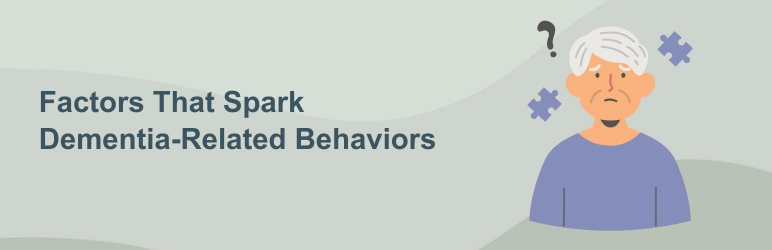
Dementia doesn’t make an elderly person difficult. It makes their brain work harder. When the brain is tired or confused, it reacts. And that reaction looks like anger, pacing, swearing, or refusing care. However, most times, there’s a trigger. Some of the most common ones are elucidated below.
Environmental Overload
Busy rooms can be hard for a person with dementia. Too many sounds at once, like TV, phone, and people talking, can feel like an attack. The brain can’t sort words from noise, so everything blends. Then the person gets scared or snaps.
You might see them cover their ears or walk away. They can even be seen talking to the TV or yelling. So, lowering noise can lower this behavior.
Besides, bright lights or fast-moving images also bother the brain. Places like the stores, hospitals, and big family gatherings are loud for dementia patients. Your loved one may act stubborn, but really, they are trying to protect their brain.
Physical Discomfort or Pain
Pain is a huge trigger. Many older adults in the United States have arthritis, back pain, UTIs, or dental pain. But dementia makes it hard to say, “My hip hurts.” So the pain comes out as “Don’t touch me!” or “Leave me alone!”
Constipation, hunger, thirst, or needing to use the bathroom can also cause sudden behavior changes. In these conditions, the body asks for help, but the mouth can’t explain. So, you get a meltdown instead. This happens a lot at night or during bathing.
Watch for small signs, like your loved one holding a spot, walking slowly, rubbing their hands, or sleeping more. That might be pain. Ask the doctor. Keep pain medicines on track. When their body feels better, their mood often clears.
Communication Breakdowns
Another big trigger is not being understood. Imagine knowing what you want, but the words do not come. It would make anyone cranky, right?
Dementia slows word-finding. It also makes fast speech hard to follow. If someone asks two things at once, the person may freeze or lash out.
Sometimes the problem is on the other side. Caregivers in the U.S. often rush. Home aides change, nurses change, and even families rotate. New voices and new ways of talking come up. This can trigger their behavior because the person cannot read the cues.
So when you see yelling during dressing or during meals, look at the words used. Maybe the person didn’t understand the direction. Maybe it was too many steps.
Emotional Stress
People with dementia feel everything, including worry, shame, and loss. They know something is wrong, even if they can’t name it. That quiet worry sits in the body. Later, it shows up as wandering, checking doors, or shadowing you everywhere.
Old memories can come back stronger than today’s events. A veteran may react to loud bangs. A widow may get sad in the evening. A person who once handled money may get upset when you pay bills. Their past roles are fading, and that hurts.
Emotional stress grows when routines change. A hospital stay, a new caregiver, moving to assisted living, these are big. The brain needs time to trust again. Until then, behavior shows up. Not to be mean. Just to cope.
How to Manage These Behavioral Triggers in Dementia Patients?
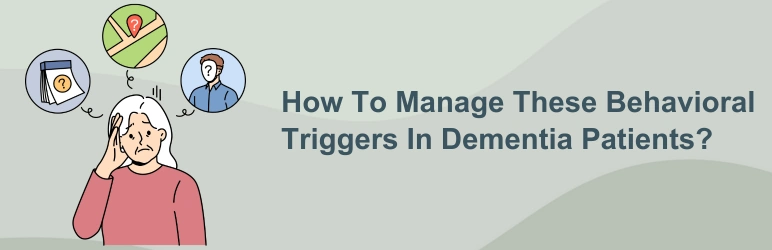
You can’t stop dementia. But you can lower behaviors a lot by following the steps mentioned below.
Keep a Calm, Simple Daily Routine
A dementia-affected brain loves sameness, such as the same chair, same mug, same breakfast, or same TV show. When the day looks the same, the brain doesn’t have to guess. Less guessing means fewer behavioral outbursts.
So, build a daily flow around their life. For example, morning wash, breakfast, pills, short walk, rest, lunch, quiet time, TV, supper, evening wash, bed. Keep appointments at the same time, too.
Also, do one thing at a time. Not bathing, shaving, and dressing all at once. Too much and the brain quits. If the person resists, pause. Try again in 10 minutes.
Use Clear, Short, Gentle Communication
Talk like you want to help, not like you want to control. Use short lines, like “Time to eat.” “Let’s wash hands.” “Sit here.” Long talks are harder to follow.
Face the person. Say their name. Make eye contact if that feels okay. Speak a little slower than normal American speed. If they don’t understand, repeat in the same words. Don’t switch words every time, or they have to relearn.
Watch Health Basics
Good care is often boring care. But that’s what works. Check sleep. Many older adults in the U.S. wake often at night. Poor sleep makes dementia behaviors worse the next day.
Check meals. Dementia can dull hunger. Offer small, easy foods, soup, yogurt, eggs, and soft fruit. Offer water often. Dehydration causes confusion and even UTIs. That alone can spark sudden mean behavior.
Keep medical visits regular. Ask the doctor to screen the patient’s hearing and vision. If the person cannot hear you, they may feel that you are ignoring them. Glasses and hearing aids can lower their anger by a lot.
Engage Them in Activities They Like
A busy mind is a calmer mind. Make the patient do things tied to their old life in the United States. A former teacher might like sorting papers. A mechanic might like wiping tools. A gardener might like patio plants.
Keep tasks short. Ten to fifteen minutes is fine. You can repeat later. Music from their teens or church hymns often works, even in later stages. Music reaches parts of the brain that still fire well.
In addition, let them help. People with dementia still want purpose in their lives. Let them fold towels, match socks, tear lettuce, and wipe tables. It may not be perfect, and that’s okay.
Conclusion
Knowing what sparks behavioral issues in dementia patients gives you power in their daily care routines. You set a pattern and follow it before the trouble grows. This steady approach helps many seniors with dementia feel safer at home.
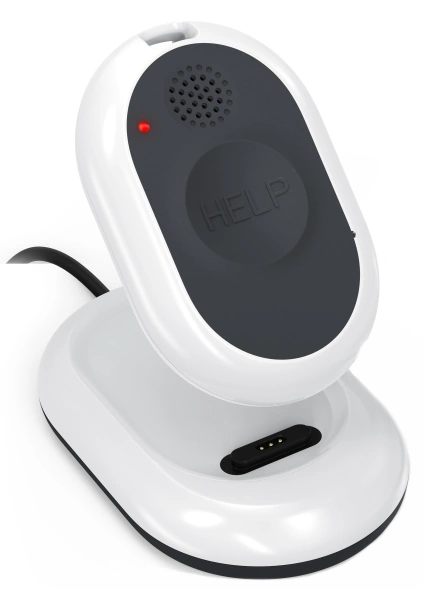
 Get Help With The Push Of A Button

















 CALL 1-800-201-1283